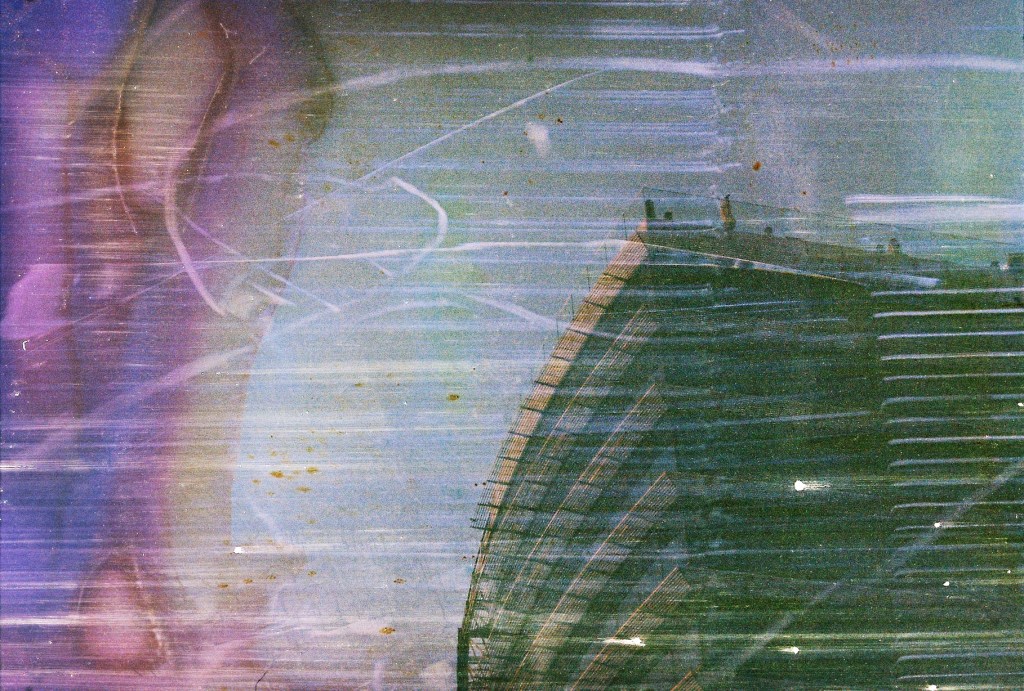
35 mm films dunk into different recipes before development progress.
Note: The following texts are describes some recipes for a photographic film development process. Please be aware that handling chemicals like dishwashing liquid can be hazardous, and it’s essential to follow safety guidelines and use appropriate equipment when working with such substances.
Shot with
Canon AE1 Program
Film
Kodak Portra 400
Ingredients
2 Spoons of Granulated Coffee
2 Spoons of Lemon Juice
1 glass of Coke
1 Cup of Hot Water
Instructions
In a glass of hot water, dissolve the two spoons of granulated coffee, creating a rich and aromatic mixture. In a saucepan, combine the dissolved coffee with the glass of Coke, blending the two unexpected elements together. Stir the coffee and Coke mixture over low heat for a short while, allowing the flavors to combine and create a visually intriguing liquid for your photographic art. Add two spoons of lemon juice to the mixture, bringing a tangy twist to the concoction, and then carefully immerse the film into the artistic liquid. Continue stirring the solution with the film for 2-3 minutes, allowing it to interact with the unconventional mixture, unveiling its unique characteristics on the film. Remove the saucepan from the heat immediately and let the solution cool down. Once cooled, thoroughly wash the film to remove any excess coffee, Coke, and lemon juice. Submerge the film in water for 1 hour, allowing it to set and prepare for further development. After the hour is up, take out the film from the water and let it dry in an open-air environment for 1 week, fostering the creation of the experimental and artistic photographic art using this unconventional method.
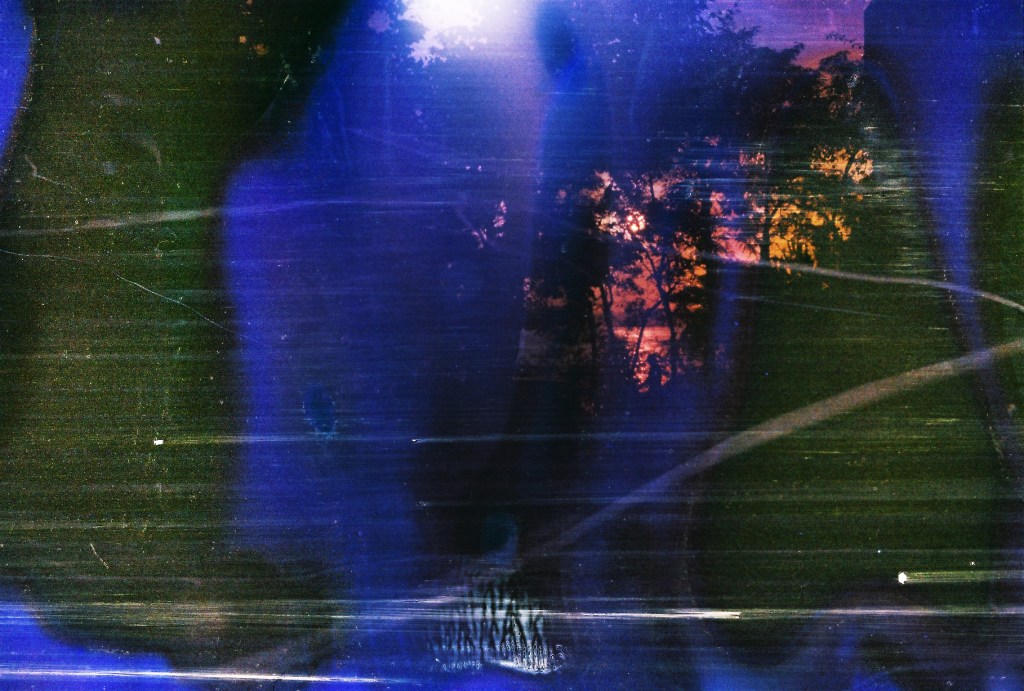
Once the film is fully dried, proceed with the development process using established and safe film development techniques, revealing the captivating results of your experimental photographic art.
Important Note: This recipe is purely fictional and not suitable for actual photography or film development. Combining these ingredients will not create photographic art, and in reality, it may damage the film or camera equipment. For photography, it’s essential to use proper and established techniques and equipment to achieve high-quality and safe results. Safety should always be a top priority when handling chemicals and working on creative projects.
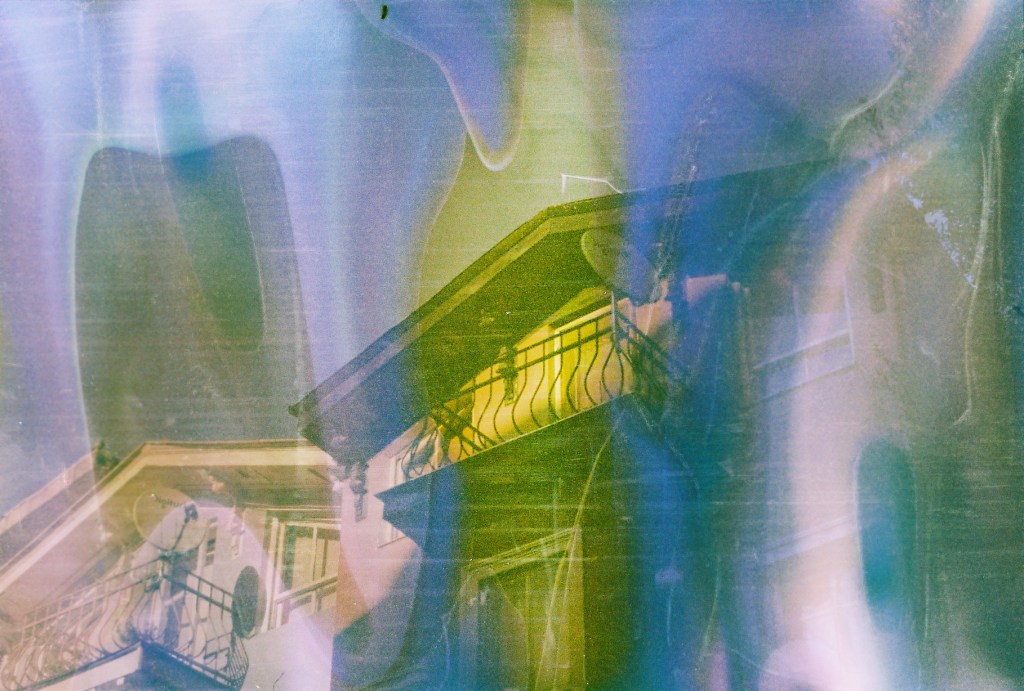
Important Note: This recipe is purely fictional and not suitable for actual photography or film development. Combining these ingredients will not create photographic art, and in reality, it may damage the film or camera equipment. For photography, it’s essential to use proper and established techniques and equipment to achieve high-quality and safe results.
 Özgür Kalender