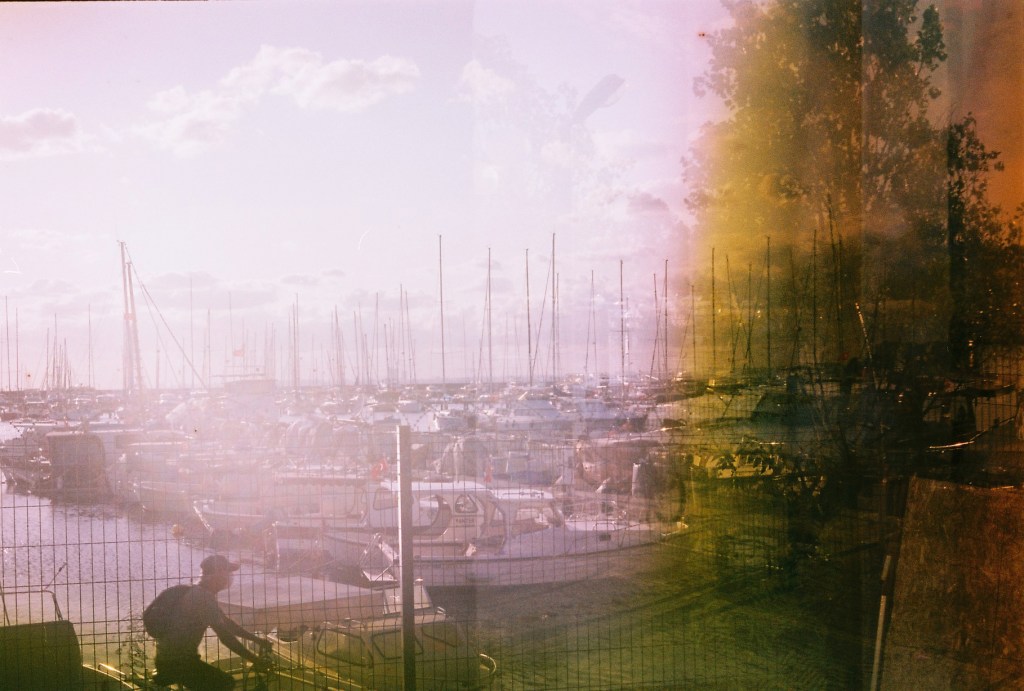
35 mm films dunk into different recipes before development progress.
Note: The following texts are describes some recipes for a photographic film development process. Please be aware that handling chemicals like dishwashing liquid can be hazardous, and it’s essential to follow safety guidelines and use appropriate equipment when working with such substances.
Soup Recipe One
Shot with
Canon AE1 Program
Film
Profoto 100
Ingredients
1 Tablespoon of Dried Chamomile
1 Chicken Bouillon Tablet
2 Cups (0.47 liters) of Vinegar
1 Glass of Water
Instructions
In a container, combine the one tablespoon of dried chamomile with the chicken bouillon tablet, creating an unconventional mixture that will lend unique characteristics to your photographic art. Pour the two cups of vinegar into the container, infusing the solution with a distinct and surprising element. Carefully add one glass of water to the mixture, balancing the intensity of the ingredients and ensuring a harmonious blend. Stir the contents gently, allowing the chamomile and bouillon tablet to dissolve completely, creating a visually intriguing liquid for your photography experiment. Place the container in a well-lit area or under natural sunlight, preparing it for the photography process. For this unconventional photographic technique, immerse the film directly into the artistic mixture, ensuring it is fully submerged to interact with the unconventional soup. Allow the film to soak in the solution for a unique duration of your choosing, as the time will affect the resulting photographic art. After the desired soaking time, carefully remove the film from the mixture and let it dry in an open-air environment.
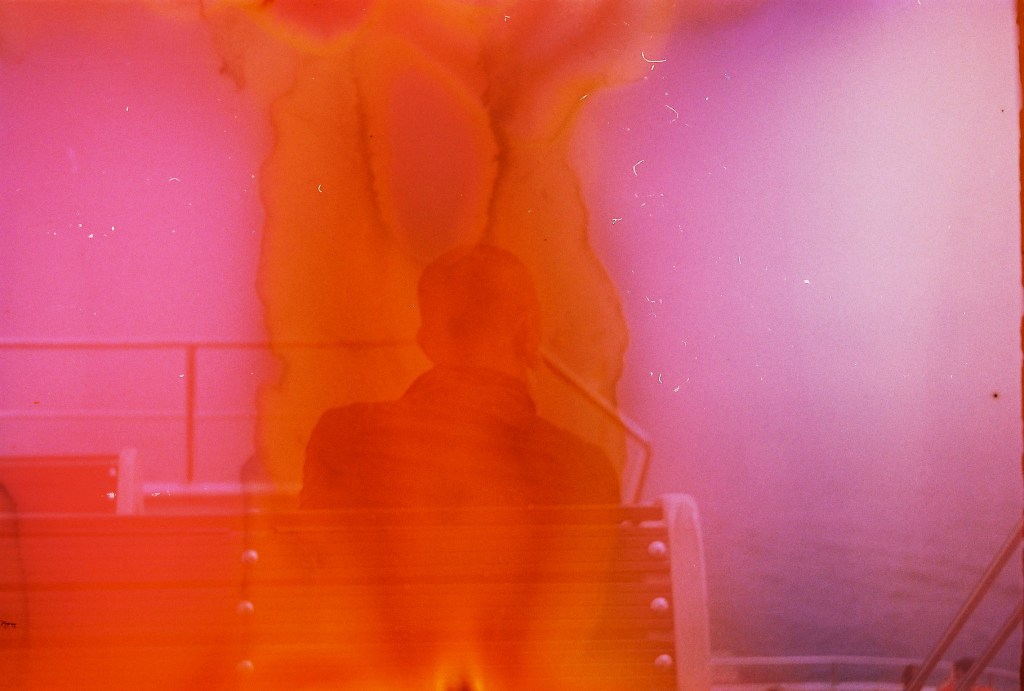
Once the film is fully dried, proceed with the development process using established and safe film development techniques, unveiling the experimental and artistic photographic art created using this unconventional method.
Important Note: This recipe is purely fictional and not suitable for actual photography or film development. Combining these ingredients will not create photographic art, and in reality, it may damage the film or camera equipment. For photography, it’s essential to use proper and established techniques and equipment to achieve high-quality and safe results.
 Özgür Kalender